

US Households Spend More While Earning Less: What April Data Means for You
Americans spent more in April 2026 even as disposable income dipped — a sign that household savings may be shrinking. Here's what it means for your budget.
What happened
The US Bureau of Economic Analysis released its April 2026 personal income and outlays report, showing that American household incomes were essentially flat last month, with disposable income recording a slight decline. Despite that, consumer spending climbed by 0.5%, according to the BEA. Separately, the BEA's second estimate of first-quarter 2026 GDP confirmed annualised growth of 1.6% — a notable slowdown from the 0.5% contraction recorded in Q4 2025.
Why it matters
When spending outpaces income growth, households typically bridge the gap by drawing down savings or taking on debt — neither of which is a comfortable long-term trend. The Q1 GDP reading, while positive, signals that the US economy is losing momentum after a difficult end to 2025. Together, these data points paint a picture of consumers who are still spending but doing so under increasing financial pressure.
The ECB's April meeting minutes, published this week, show eurozone policymakers are navigating a similarly cautious path, weighing inflation trends against slowing growth — a dynamic that is not unique to the US.
Impact on personal finance
If your own income has stagnated while your spending has crept up, the aggregate data suggests you are far from alone. This is a good moment to review whether your monthly outlays are being covered by income or quietly eroding your savings buffer. An emergency fund that looked comfortable six months ago may be thinner than you realise.
For those carrying variable-rate debt — credit cards, home equity lines, or adjustable mortgages — a slowdown in growth could eventually influence the pace and direction of Federal Reserve rate decisions, though analysts caution that the path remains highly uncertain. On the savings side, if rates do begin to ease, the window for locking in higher-yield deposit products may be narrowing.
Finally, the data is also a reminder to revisit your budget with fresh eyes: small, recurring expenses that felt manageable during stronger income growth can quietly compound into a meaningful drag.
Regional perspective
US: The income-spending gap is the most immediate concern for American households, particularly those without a substantial savings cushion. EU: ECB minutes indicate eurozone policymakers remain watchful on inflation and growth, meaning European savers and borrowers should stay alert to any shifts in the rate outlook in the months ahead.
Run these numbers on your own money
Treziqo shows you where your money actually goes, when a cash-flow gap is coming, and what to do about it. Budgets, debts, investments and receipts in one place.
Not yet? Get Treziqo updates instead:
No spam. Just launch info and beta access notifications. Unsubscribe anytime.

Identity Fraud Surge, Stagnant US Jobs, and a Steady CNB: Your August Finance Briefing
From a spike in identity fraud cases in the UK to a near-flat US jobs report and the Czech National Bank holding rates steady — here's what the latest data means for your wallet.
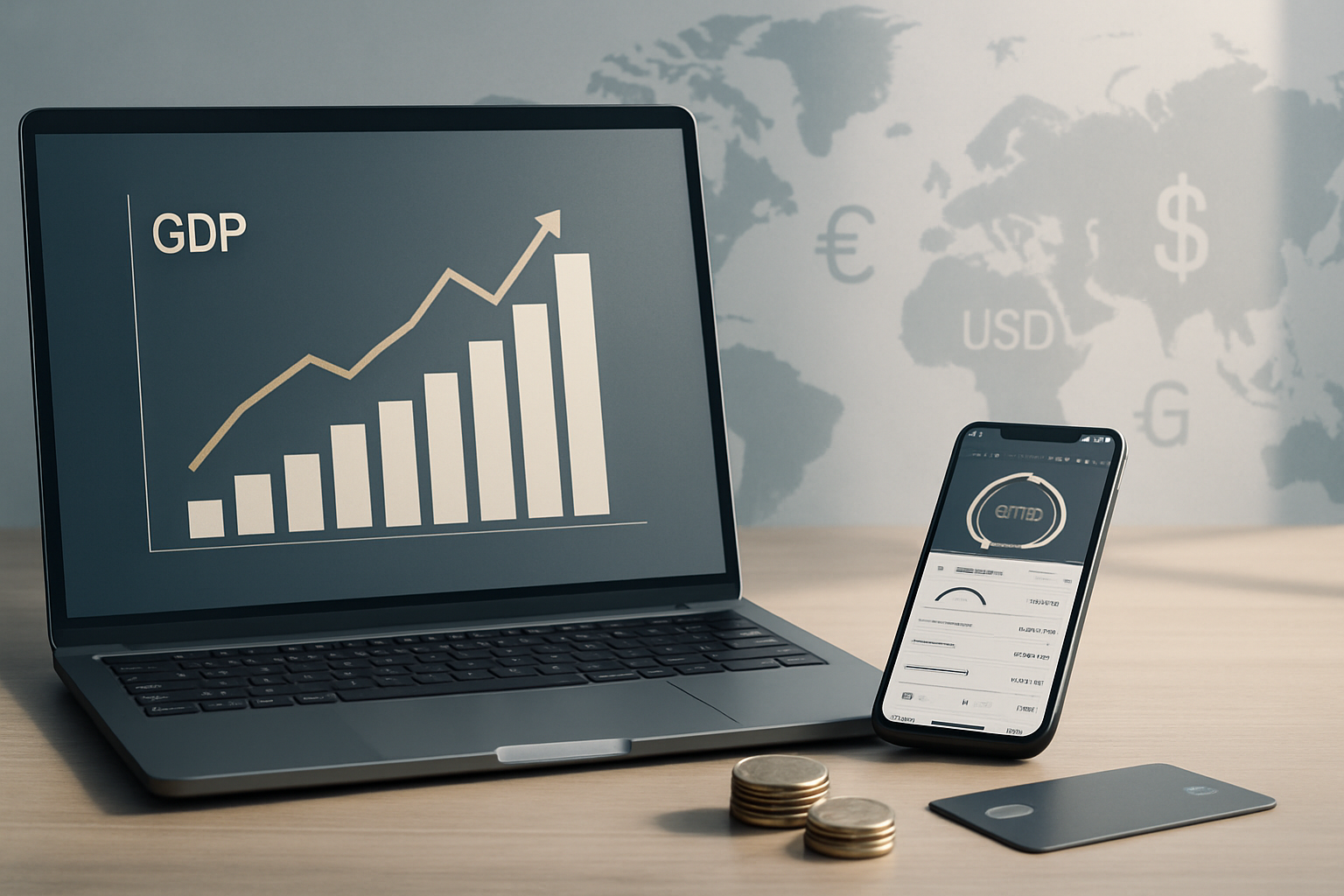
Global Economy Snapshot: Slower Growth, Steady Rates, and a Phone Scam Warning
The UK held rates at 3.75%, US and EU growth slowed, and hackers are back with phone-based scams. Here's what it all means for your wallet.
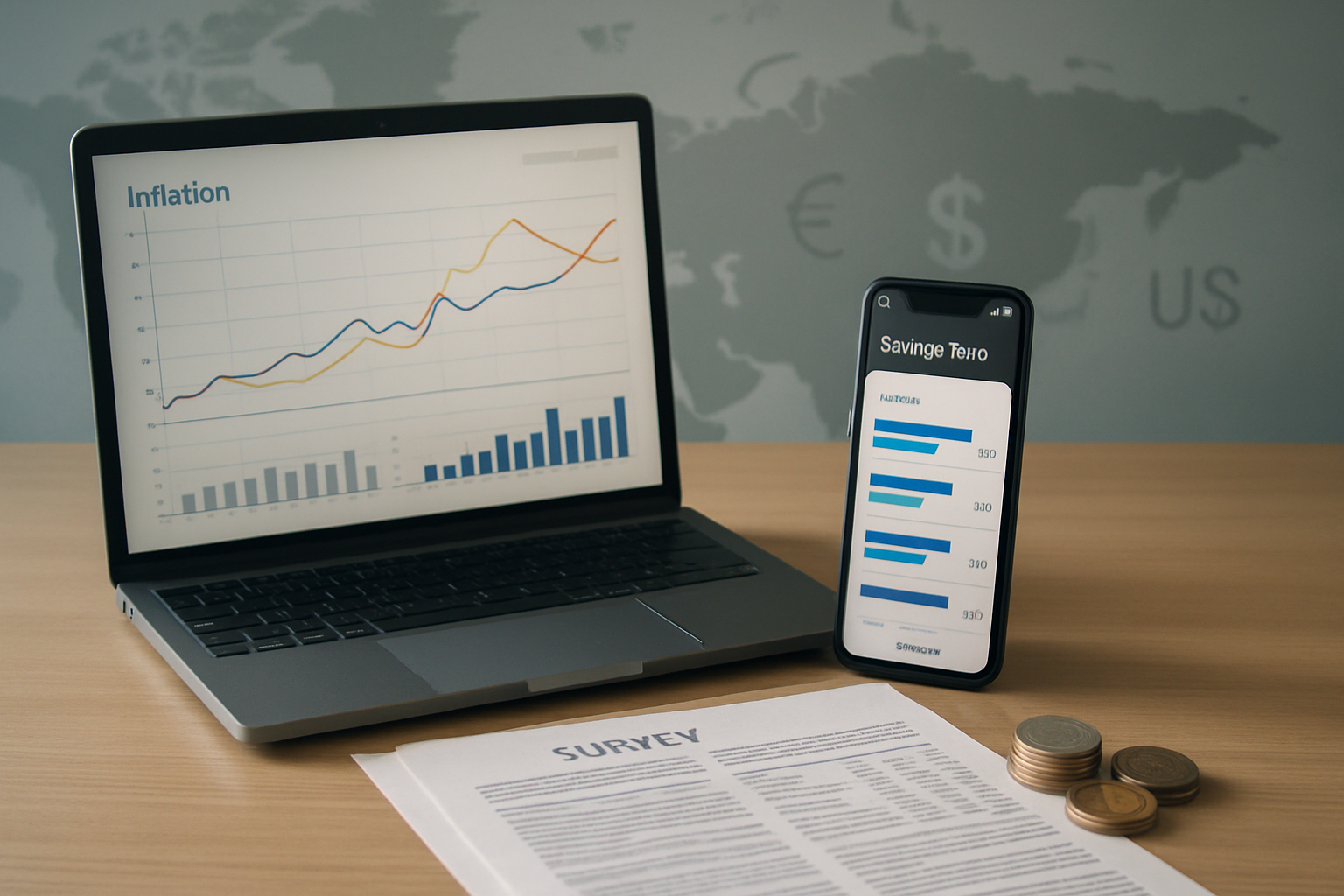
ECB Surveys Signal Eurozone Outlook Shift as US Data Clouds Fed Path
The ECB released fresh forecasts and consumer sentiment data for mid-2026, while earlier US inflation and jobs figures complicate the Federal Reserve's next move. Here's what it all means for your wallet.
This article is for informational and educational purposes only. It is not individual financial, investment, tax or legal advice and is not a personal recommendation for any particular reader; any public investment recommendations are subject to specific rules. It may contain inaccuracies or be out of date — verify the information independently, consider your own situation and consult a qualified professional before making individual decisions. It was created with the help of AI and reviewed by an editor before publication. It draws on the publicly available sources listed below.
Sources
-
1
Meeting of 29-30 April 2026ECB Press Releases · · retrieved
-
2
GDP (Second Estimate) and Corporate Profits, 1st Quarter 2026BEA News Release Feed · · retrieved
-
3
Philip R. Lane: Interview with NikkeiECB Press Releases · · retrieved
-
4
Státní dluhopisy jdou na dračku. Poradíme, do kdy a kde je můžete nakupovatMěšec.cz — Osobní finance · · retrieved
-
5
Personal Income and Outlays, April 2026BEA News Release Feed · · retrieved
-
6
The Digital Native Trap: Why Gen Z is Losing the War Against AI ScamsFinextra — Latest Headlines · · retrieved