

US Inflation Drops, Digital Euro Advances, and AI Boom Warnings: July 2026 Briefing
US inflation fell sharply in June, the ECB picked its digital euro partners, and global regulators flagged AI investment risks. Here's what it all means for your wallet.
What happened
Three major financial developments landed in mid-July 2026. First, the US Bureau of Labor Statistics reported that consumer prices fell 0.4% in June on a monthly basis — driven largely by cheaper gasoline — though the annual inflation rate still sits at 3.5%, according to the BLS Consumer Price Index release. Separately, the European Central Bank announced it has selected 36 payment service providers from across the eurozone to take part in the upcoming digital euro pilot, expected to launch in the second half of 2027. And a paper from the Bank for International Settlements cautioned that the current wave of AI investment carries echoes of the dot-com era, with Finextra reporting the BIS warning that the boom could end in a significant bust.
Why it matters
The US inflation figure arrives at a critical moment, as the Federal Reserve has been carefully weighing when — and whether — to adjust interest rates. The Fed's published minutes from its June discount rate meetings show policymakers actively debating the right stance, meaning this new CPI data will feed directly into that conversation. The digital euro announcement marks a concrete step toward a publicly issued digital currency in the eurozone, shifting the project from concept to tested infrastructure. Meanwhile, the BIS warning on AI echoes longstanding concerns about speculative cycles: rapid capital flows into a single technology sector can create fragility that ripples well beyond the tech industry.
Impact on personal finance
For US households, a monthly drop in consumer prices — especially at the gas pump — offers some near-term relief on everyday spending. However, with annual inflation still at 3.5%, purchasing power remains under pressure compared to pre-inflationary norms. If the Fed interprets this data as progress, analysts expect it could open the door to eventual rate reductions, which would affect mortgage rates, savings account yields, and the cost of carrying credit card debt. Eurozone residents should begin paying attention to the digital euro pilot: if adopted, it could change how people hold and move money, potentially adding a central-bank-backed payment option alongside commercial bank accounts. For investors of any nationality, the BIS note is a reminder to check how much exposure a portfolio carries to AI-heavy sectors, given the documented risk of sharp corrections in concentrated technology booms.
Regional perspective
US: The June CPI drop and the Fed's ongoing rate deliberations are the most immediate forces shaping borrowing and saving conditions for American households right now. EU: The ECB's digital euro pilot is a Europe-first development, but its design — including privacy rules and holding limits — will matter enormously to everyday eurozone users once the 2027 rollout begins. Czech Republic: Czech savers showed striking appetite for government retail bonds, with the first subscription window drawing 74 billion CZK, according to Měšec.cz, with investors aged 50–60 being the most active group — a signal of strong local demand for low-risk fixed-income instruments.
Run these numbers on your own money
Treziqo shows you where your money actually goes, when a cash-flow gap is coming, and what to do about it. Budgets, debts, investments and receipts in one place.
Not yet? Get Treziqo updates instead:
Žádný spam. Jen informace o spuštění a možnostech testování. Můžeš se kdykoli odhlásit.

Jobs, GDP, BNPL and IPOs: Five Finance Stories That Matter This Week
From a shrinking eurozone economy to SpaceX opening its IPO to everyday investors — here's what this week's biggest financial headlines mean for your wallet.

Auto-Invest Cards, AI Bankers, and Zero-Interest Green Loans Arrive
From Monzo's card that automatically invests your cashback to Zopa's AI banking assistant, this week brought several fintech and policy moves that directly affect your wallet.
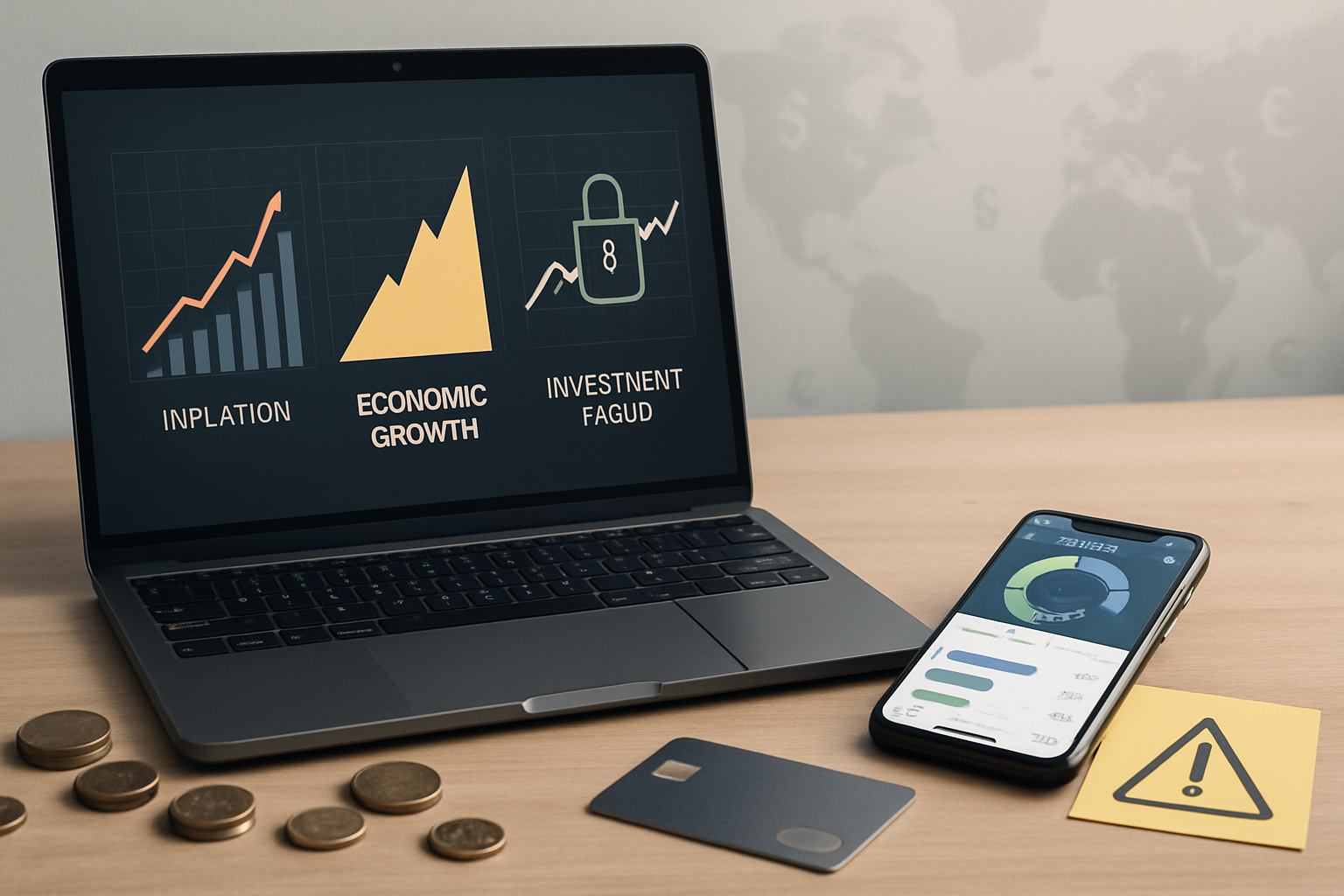
US Inflation Cools, EU Economy Grows, and a $74M Scam Warning
US inflation ticked up just 0.1% in July, the eurozone economy kept growing, and the SEC busted a $74M pre-IPO fraud. Here's what it all means for your wallet.
This article is for informational and educational purposes only. It is not individual financial, investment, tax or legal advice and is not a personal recommendation for any particular reader; any public investment recommendations are subject to specific rules. It may contain inaccuracies or be out of date — verify the information independently, consider your own situation and consult a qualified professional before making individual decisions. It was created with the help of AI and reviewed by an editor before publication. It draws on the publicly available sources listed below.
Zdroje
-
1
CPI for all items falls 0.4% in June; gasoline downBLS Consumer Price Index · · retrieved
-
2
ECB selects 36 payment service providers to join digital euro pilotECB Press Releases · · retrieved
-
3
Češi nakoupili Dluhopisy Republiky za 74 miliard. Kdy bude další emise?Měšec.cz — Osobní finance · · retrieved
-
4
AI investment boom could turn to bust, warns BIS paperFinextra — Retail Banking · · retrieved
-
5
Minutes of the Board's discount rate meetings on June 8 and June 17, 2026Federal Reserve — All Press Releases · · retrieved