

Middle East Tensions, Energy Costs and What They Mean for Your Savings
A new ECB analysis shows how geopolitical tensions in the Middle East and rising energy prices hit household budgets differently depending on income — here's what that means for you.
What happened
The European Central Bank has published a detailed analysis examining how the ongoing conflict in the Middle East could ripple through to household savings and the broader economy, according to ECB Publications. The study finds that rising energy prices — driven by geopolitical instability — create uneven financial pressure, with the effects varying significantly across different income groups. This analysis arrives alongside remarks from ECB Vice President Luis de Guindos to the Financial Times, where he addressed the eurozone's macroeconomic outlook. Meanwhile, eurozone retail sales edged down by 0.1% in March 2026, while the broader EU figure rose 0.3%, according to Eurostat — a mixed signal on consumer confidence.
Why it matters
Energy markets are particularly vulnerable to Middle East instability, and the ECB's research highlights that this vulnerability feeds directly into inflation and household spending capacity. For the eurozone, which still imports a significant share of its energy, any prolonged supply disruption or price spike compounds existing inflationary pressures. The Czech National Bank, meanwhile, held its key interest rate steady at its May meeting and now projects inflation to hover near 3% through late 2026 and into early 2027 before returning closer to its target during 2027, according to the ČNB cnBlog. That longer timeline for a return to target suggests monetary easing in the region will remain cautious.
Impact on personal finance
If energy prices rise due to geopolitical shocks, household utility bills and fuel costs are among the first places everyday users feel the squeeze. The ECB analysis specifically flags that lower-income households bear a disproportionately large share of this burden, as energy spending makes up a bigger slice of their total budget. Higher energy costs also tend to reduce how much people can set aside each month, meaning savings rates could come under pressure even if wages hold steady. For Czech users, the CNB's extended inflation forecast means that the purchasing power of cash savings may continue to erode gently before interest rates eventually fall. On a more optimistic note, a Lloyds study reported by Finextra suggests that digital personal-finance tools could help UK households unlock up to £100 billion in financial value over the next decade — a reminder that active money management tools can partially offset cost-of-living headwinds.
Regional perspective
EU/Eurozone: The ECB analysis is most directly relevant here, where energy import dependence amplifies the impact of Middle East tensions on inflation and consumer spending. Czech Republic (CZ): The CNB's decision to hold rates and its updated inflation path mean mortgage and savings rates are unlikely to shift materially in the near term. UK: The Lloyds research highlights a domestic opportunity — digital budgeting tools are increasingly being positioned as a practical response to financial stress, regardless of external shocks.
Run these numbers on your own money
Treziqo shows you where your money actually goes, when a cash-flow gap is coming, and what to do about it. Budgets, debts, investments and receipts in one place.
Not yet? Get Treziqo updates instead:
No spam. Just launch info and beta access notifications. Unsubscribe anytime.

Identity Fraud Surge, Stagnant US Jobs, and a Steady CNB: Your August Finance Briefing
From a spike in identity fraud cases in the UK to a near-flat US jobs report and the Czech National Bank holding rates steady — here's what the latest data means for your wallet.
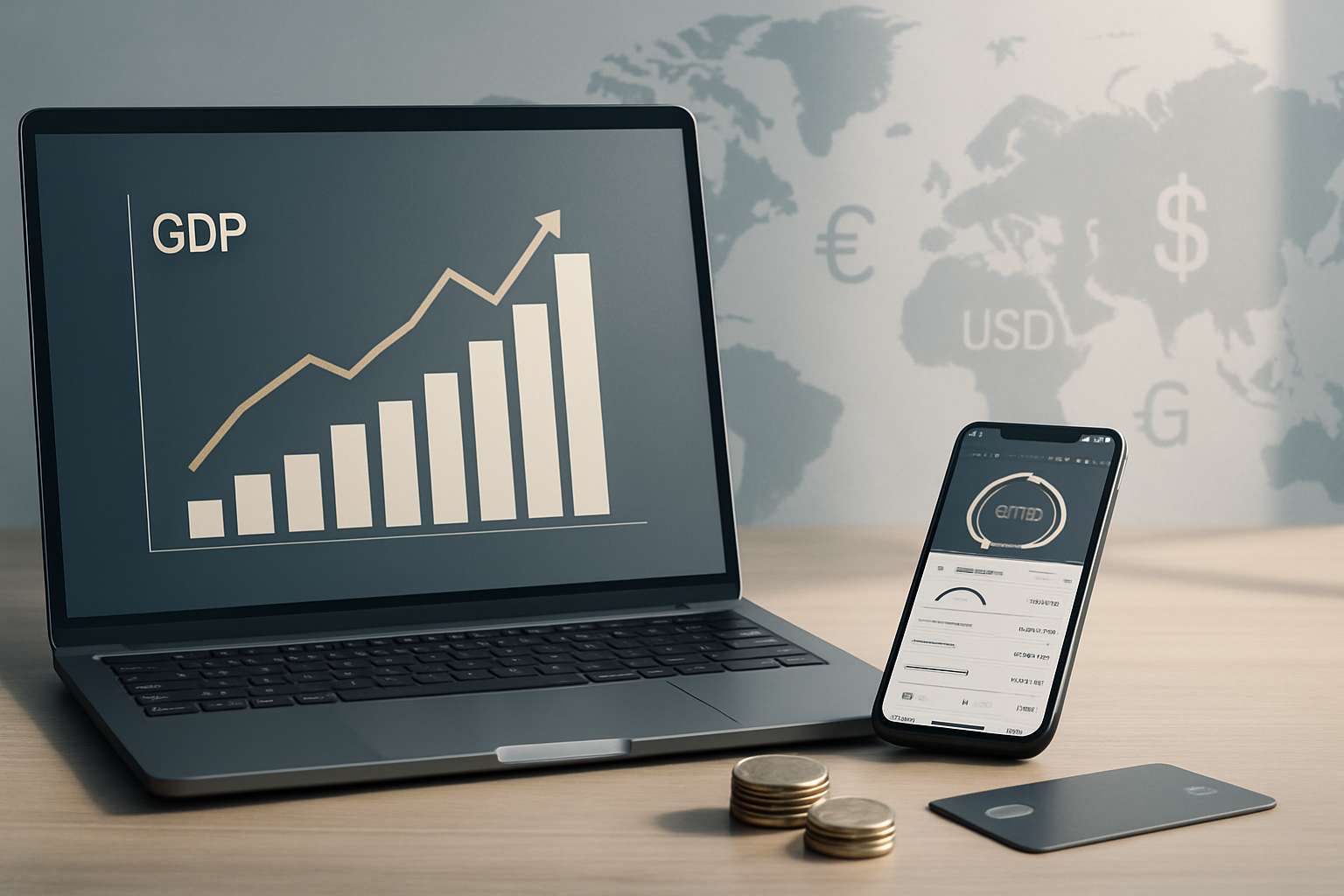
Global Economy Snapshot: Slower Growth, Steady Rates, and a Phone Scam Warning
The UK held rates at 3.75%, US and EU growth slowed, and hackers are back with phone-based scams. Here's what it all means for your wallet.
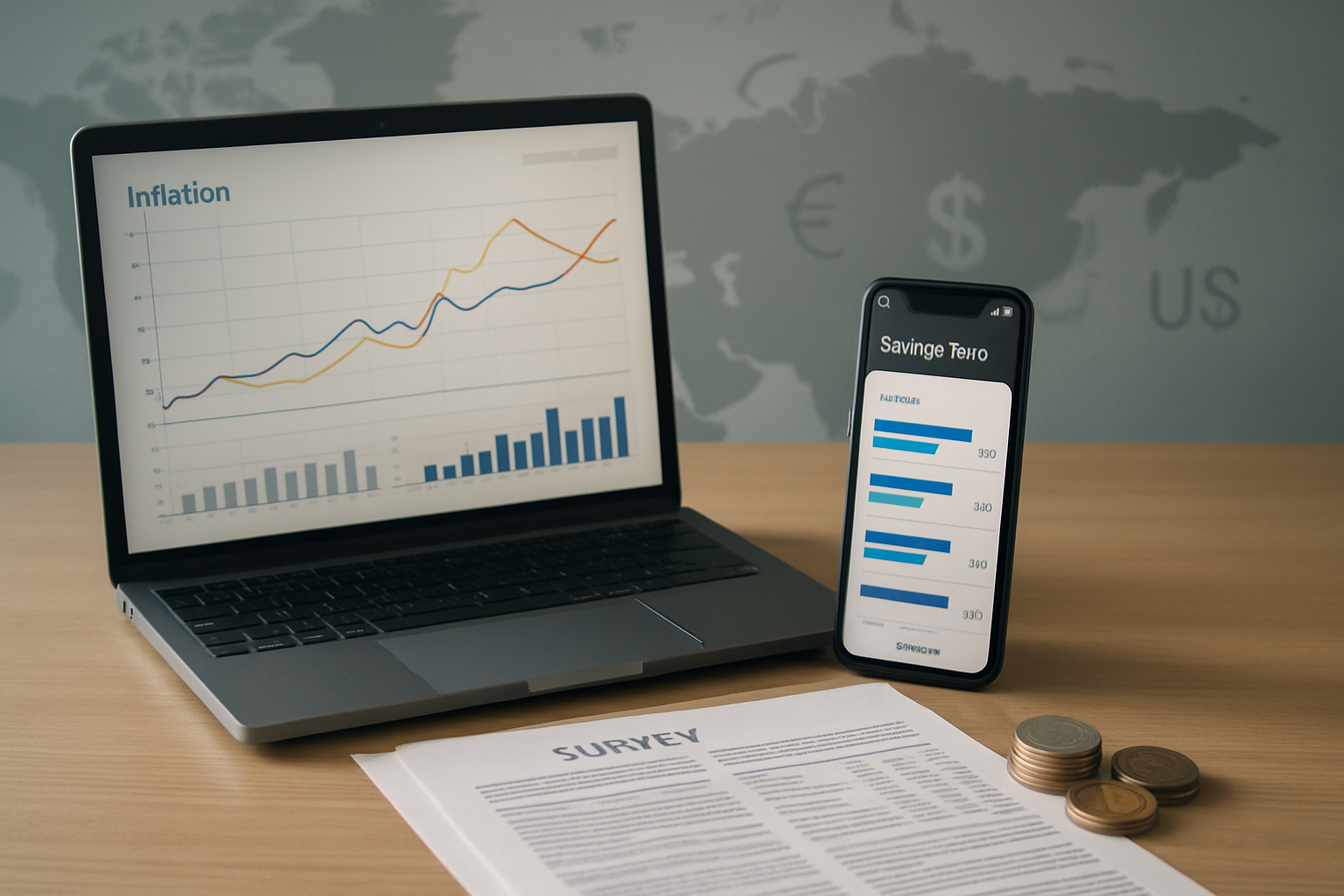
ECB Surveys Signal Eurozone Outlook Shift as US Data Clouds Fed Path
The ECB released fresh forecasts and consumer sentiment data for mid-2026, while earlier US inflation and jobs figures complicate the Federal Reserve's next move. Here's what it all means for your wallet.
This article is for informational and educational purposes only. It is not individual financial, investment, tax or legal advice and is not a personal recommendation for any particular reader; any public investment recommendations are subject to specific rules. It may contain inaccuracies or be out of date — verify the information independently, consider your own situation and consult a qualified professional before making individual decisions. It was created with the help of AI and reviewed by an editor before publication. It draws on the publicly available sources listed below.
Investing involves the risk of loss, including the loss of the capital invested. Past performance and the scenarios described do not guarantee future results.
Sources
- 1
-
2
Save your energy: how the war in the Middle East could affect household savings and the economyECB Publications · · retrieved
-
3
Luis de Guindos: Interview with Financial TimesECB Press Releases · · retrieved
-
4
Commerzbank to axe 3000 jobs as it fends off UniCredit takeoverFinextra — Retail Banking · · retrieved
-
5
Volume of retail trade down by 0.1% in the euro area and up by 0.3% in the EUEurostat — News Releases · · retrieved
-
6
Lloyds study explores the benefits of digital tools to help people make the most of their financesFinextra — Retail Banking · · retrieved